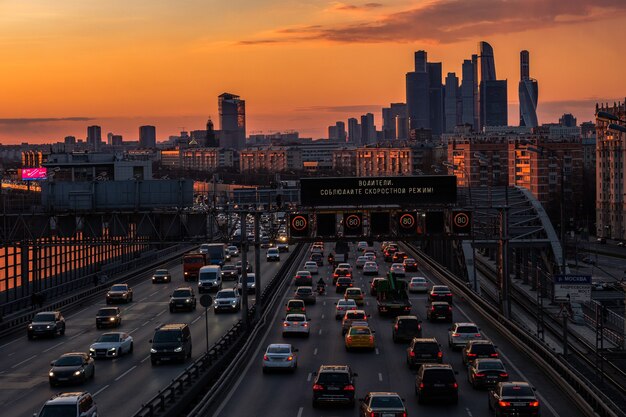
Miami Traffic Decoded: The Worst Corridors In South Florida And How To Beat Them
South Florida's traffic congestion is a daily reality for millions of commuters, and understanding which corridors suffer the most gridlock—and how to navigate them—can save drivers significant time and frustration.
The region's major transportation corridors experience severe slowdowns during peak hours, with some routes becoming nearly impassable as volumes surge. Knowing where bottlenecks form and what strategies work best can make a real difference in your commute.
Rush Hour Patterns and Peak Congestion Times
Traffic in the Miami area follows predictable patterns. Morning rush typically sees heavy congestion as workers head downtown and toward major employment centers. Evening peak, when the reverse happens, often produces even worse delays as everyone departs simultaneously.
The heaviest traffic tends to concentrate on major north-south and east-west corridors that serve as the region's primary arteries. These routes funnel traffic from residential areas into downtown and commercial districts, creating predictable choke points.
Understanding when these peaks occur—and arriving slightly outside those windows—remains one of the most effective strategies. Leaving even 15 or 20 minutes earlier or later can mean the difference between a quick trip and a crawl.
Identifying Problem Corridors
South Florida has several major routes that consistently rank among the most congested. The worst corridors typically include those connecting residential suburbs to downtown areas, interchange zones where multiple routes meet, and bridges that serve as the only crossing for certain geographic areas.
Commuters who travel these routes regularly report that congestion extends well beyond the traditional rush hour window. Midday traffic can spike unexpectedly, and late-afternoon buildups sometimes last longer than morning slowdowns.
Construction projects, accidents, and weather events compound the baseline congestion, turning difficult commutes into major delays. A single incident on a key corridor can ripple throughout the region, affecting alternative routes as drivers seek detours.
Alternative Routes and Timing Strategies
Rather than sitting in gridlock on primary corridors, many commuters find success by shifting their travel times. Departing before peak hours or waiting until traffic clears often proves faster than battling the main surge.
Secondary routes offer another option, though they may take longer in terms of actual distance. During severe congestion on primary corridors, a longer alternative route can sometimes be faster overall. Local knowledge helps—regular commuters often discover which side streets and parallel routes move freely when main thoroughfares clog.
Real-time traffic apps and navigation tools have made route selection easier. These applications track current conditions and can suggest alternatives as conditions change throughout your commute.
Planning Around Seasonal and Event-Driven Traffic
South Florida experiences seasonal traffic variations tied to tourism and weather. Winter months bring additional vehicles as visitors arrive, and summer thunderstorms can create sudden hazards and delays.
Major events—sporting events, concerts, conventions—also concentrate traffic on specific corridors at specific times. Planning around known events gives commuters a chance to avoid the worst impacts.
Road maintenance and construction projects follow seasonal schedules too. Learning about planned work on your regular routes allows you to adjust your schedule or find alternatives before gridlock develops.
Making Your Commute Work
Beating South Florida's worst traffic corridors requires flexibility and planning. Choose off-peak windows when possible. Build buffer time into your schedule. Stay informed about conditions on your route through real-time traffic tools.
For commuters with flexible schedules, teleworking even one or two days weekly can eliminate peak-hour trips entirely. Carpooling or transit options, where available, reduce the number of vehicles on the road and can provide less stressful commuting experiences.
The region's traffic challenges won't disappear, but informed commuters who understand congestion patterns and adjust their strategies accordingly can minimize delays and reclaim time previously lost to gridlock.